Posted on

Hand-Raised Chicks vs Supermarket Chicks

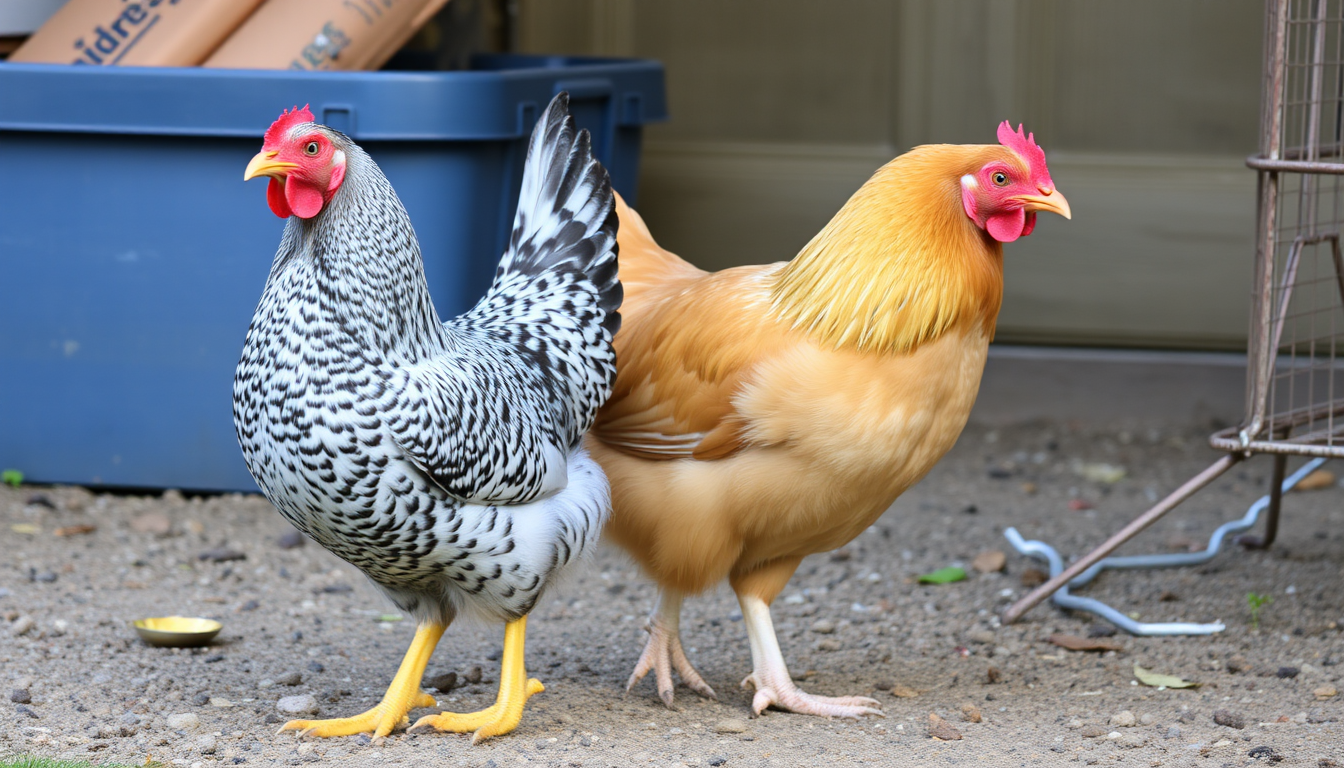
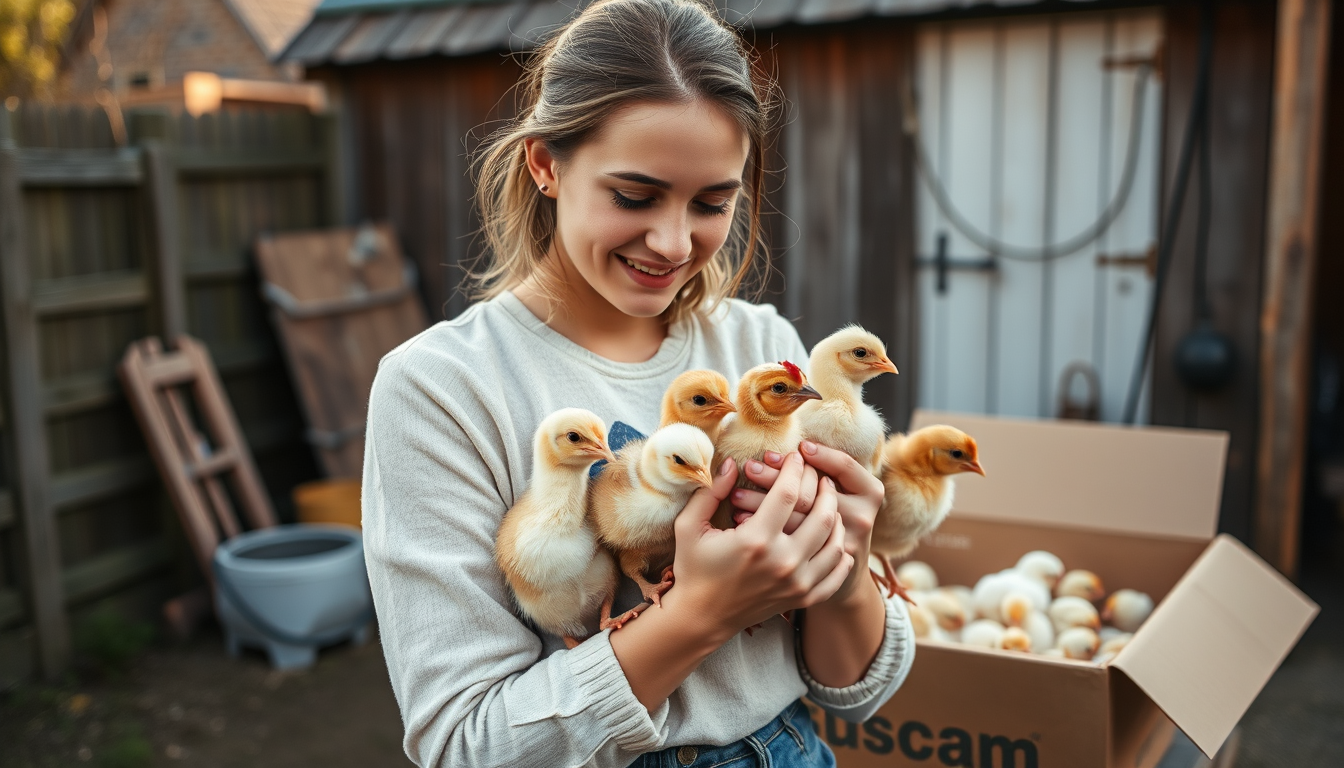
When considering which chicks to bring into your backyard flock, hand-raised chicks from a reputable supplier like Chickly offer numerous advantages over supermarket chicks. Hand-raised chicks are typically reared in smaller batches, ensuring they receive more individual attention and better living conditions, which can result in healthier and more robust birds. Supermarket chicks, while more readily available, may come from larger, commercial operations where quality and individual care can be compromised.

Table of contents

Key takeaways

  • Hand-raised chicks are typically reared in smaller, more controlled environments, leading to better health and care.
  • Supermarket chicks are often sourced from larger commercial operations and may not receive individual attention.
  • Hand-raised chicks cost more due to higher rearing costs but offer better long-term health benefits.
  • Supermarket chicks are more accessible and may be cheaper but can come with health risks due to industrial farming practices.
  • Chickly offers hand-raised chicks that are ideal for backyard poultry keepers and smallholders.

What are hand-raised chicks?

Hand-raised chicks refer to those that have been carefully reared in small batches by dedicated caretakers. These chicks are often raised in more natural and controlled environments, which can significantly impact their health and temperament.

Best for:

  • Backyard poultry keepers and smallholders who prioritise the health and happiness of their birds.
  • Individuals who want to ensure their chicks receive individual attention and care.

Pricing:

  • Hand-raised chicks generally cost more than supermarket chicks due to the higher costs associated with smaller-scale, individualised care.

Bottom line:

Hand-raised chicks from a reputable supplier like Chickly are an excellent choice for those who value quality and care over cost.

What are supermarket chicks?

Supermarket chicks are those typically sourced from large commercial hatcheries and sold in bulk. These chicks often come from industrial farming operations and may not receive the same level of individual care as hand-raised chicks.

Best for:

  • Individuals looking for a readily available and cost-effective option.
  • Those who need a large number of chicks quickly and do not require individualised care.

Pricing:

  • Supermarket chicks are generally cheaper due to their mass production and lower overhead costs.

Bottom line:

Supermarket chicks are a practical choice for those prioritising cost and convenience over individualised care.

Comparison table: Hand-raised chicks vs supermarket chicks

Option Best for Price/typical cost Key strength
Hand-raised chicks Backyard poultry keepers and smallholders £15-25 per chick Better health and individualised care
Supermarket chicks Individuals prioritising cost and convenience £5-10 per chick Readily available and mass-produced

How we evaluated

We evaluated the options based on several criteria:

  • Health and Care: Ensured that chicks were raised in environments conducive to their well-being.
  • Availability: Considered the ease of obtaining the chicks.
  • Cost: Factored in the pricing of each option.
  • Customer Reviews: Used feedback from existing customers for insights.

Our evaluation is based on real-world customer experiences and industry knowledge.

Which should you choose?

For backyard poultry keepers and smallholders:

If you are prioritising the health and long-term welfare of your flock, hand-raised chicks are the best choice. They offer a higher quality of life for the birds and are well-suited for those who can afford a slightly higher initial investment.

For individuals prioritising cost and convenience:

If you need a large number of chicks quickly and are not concerned about individualised care, supermarket chicks are a suitable option. They are more readily available and cost-effective.

Conclusion

While both hand-raised and supermarket chicks have their merits, hand-raised chicks from suppliers like Chickly offer a higher standard of care and health, making them an excellent choice for backyard poultry keepers and smallholders. Supermarket chicks are more accessible and cost-effective but may not provide the same level of individual attention and care.

Whether you choose hand-raised chicks from Chickly or supermarket chicks, the decision ultimately depends on your priorities and the needs of your flock.

If you’re interested in purchasing high-quality, hand-raised chicks, visit Chickly for a reliable and ethical supplier.

FAQs

How do hand-raised chicks differ from supermarket chicks in terms of health?

Hand-raised chicks are typically reared in smaller, more controlled environments, which can lead to better health and care compared to supermarket chicks from larger commercial operations.

What are the main advantages of hand-raised chicks?

Hand-raised chicks offer better health, individual attention, and a more natural living environment, making them ideal for backyard poultry keepers.

Are hand-raised chicks more expensive than supermarket chicks?

Yes, hand-raised chicks generally cost more due to the higher costs associated with smaller-scale, individualised care.

Can I find hand-raised chicks at supermarkets?

Hand-raised chicks are not typically available at supermarkets. They are usually sourced from dedicated suppliers like Chickly.

Are there any risks associated with buying supermarket chicks?

Supermarket chicks may come from larger commercial operations where individual care can be compromised, potentially leading to health issues for the birds.
Posted on

Defra Poultry Registration 2024: What You Need to Know

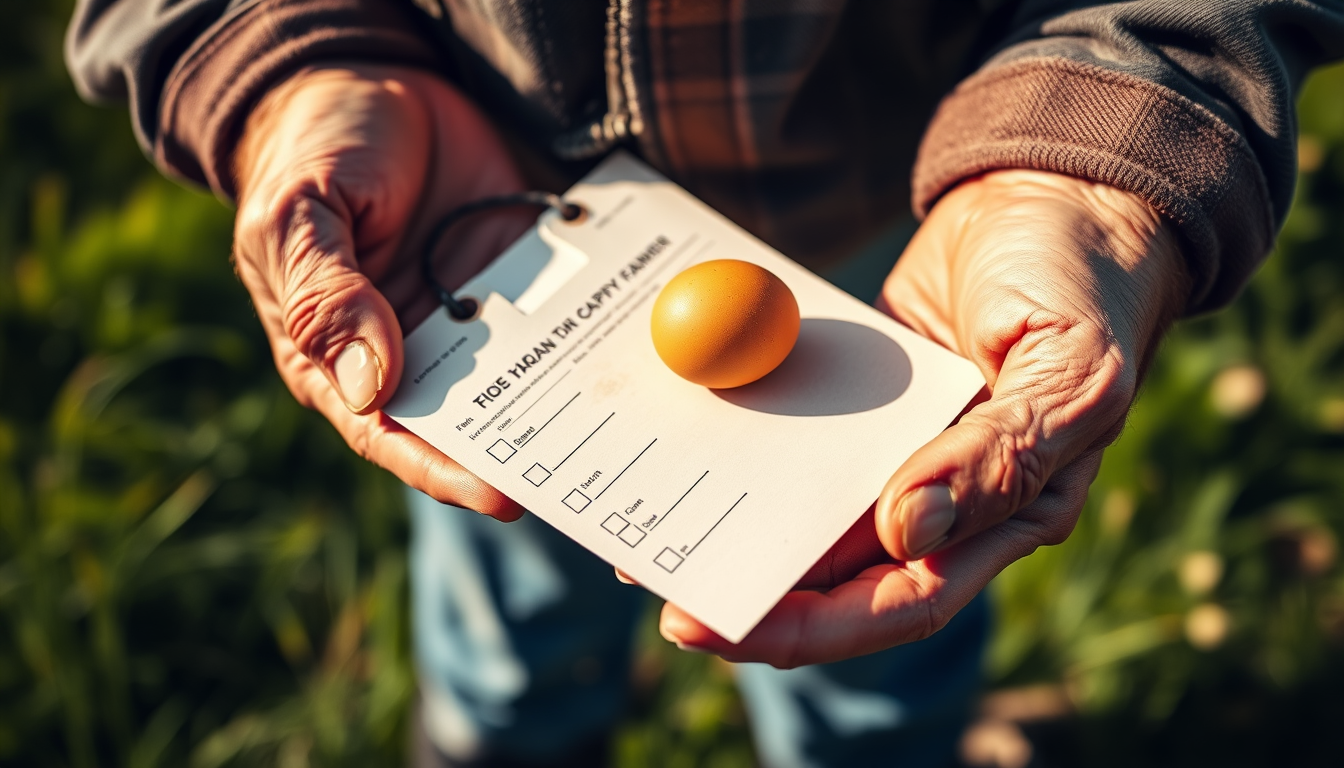
Defra (Department for Environment, Food and Rural Affairs) requires poultry keepers to register their flocks by 16 December 2024. This registration is mandatory for anyone keeping more than 50 birds, whether they are chickens, turkeys, ducks, or geese. If you are a poultry keeper in the UK, here’s what you need to do to comply with the new regulations.

Table of contents

Key takeaways

  • Poultry keepers must register their flocks by 16 December 2024.
  • Registration is mandatory for flocks with more than 50 birds.
  • Personal information provided is used for monitoring and controlling diseases.
  • Non-compliance can result in fines and enforcement actions.

Why do I need to register my poultry?

Poultry registration is essential to help Defra monitor and control avian diseases effectively. By registering, you enable the authorities to provide you with timely information and advice on disease prevention and control measures. This ensures the health and welfare of your birds.

How do I register my poultry with Defra?

To register your poultry, visit the Defra website and follow these steps:

  1. Create a My Defra account if you do not already have one.
  2. Complete the online registration form with details about your flock, including the number of birds, breed, and location.
  3. Submit the form and confirm your registration.

Are there any exemptions to the Defra poultry registration?

There are no exemptions for poultry keepers with more than 50 birds. However, if you have fewer than 50 birds, you are not required to register. For more detailed information, you can refer to the Defra guidance on poultry registration.

What are the penalties for not registering my poultry?

Failure to register your poultry by the deadline can result in legal action and penalties. The enforcement actions can include fines and other measures to ensure compliance. It is important to register your flock to avoid any potential legal issues.

How will my personal information be used?

Your personal information will be used solely to manage and monitor the health of your poultry flocks. This includes sharing data with other government agencies to prevent and control diseases. Your information is protected under strict data protection laws.

FAQs

How do I know if I need to register my flock?

You need to register your flock if you have more than 50 birds, including chickens, turkeys, ducks, and geese. If you have fewer than 50 birds, registration is voluntary but recommended to stay informed about disease control measures.

What happens if I have more than one flock?

If you have multiple flocks, you must register each flock separately. This ensures accurate tracking and management of each flock’s health and welfare.

Can I register my flock in advance?

Yes, you can register your flock before the deadline. Early registration helps you stay informed and prepared for any disease control measures that may be required.

What if I have fewer than 50 birds but still want to register?

If you have fewer than 50 birds but wish to register, you can do so voluntarily. This will allow you to receive important updates and advice from Defra on disease control and prevention.

How can I ensure the accuracy of the information I provide?

To ensure accuracy, double-check all the details about your flock before submitting the registration form. You can make changes to your registration details through your My Defra account at any time.

Call to action

If you have any questions about poultry registration or need help with your flock, visit Chickly’s website for more information and support. We are here to help you comply with the latest regulations and keep your birds healthy and happy.

Posted on

Organic Poultry Feed 20kg Leeds

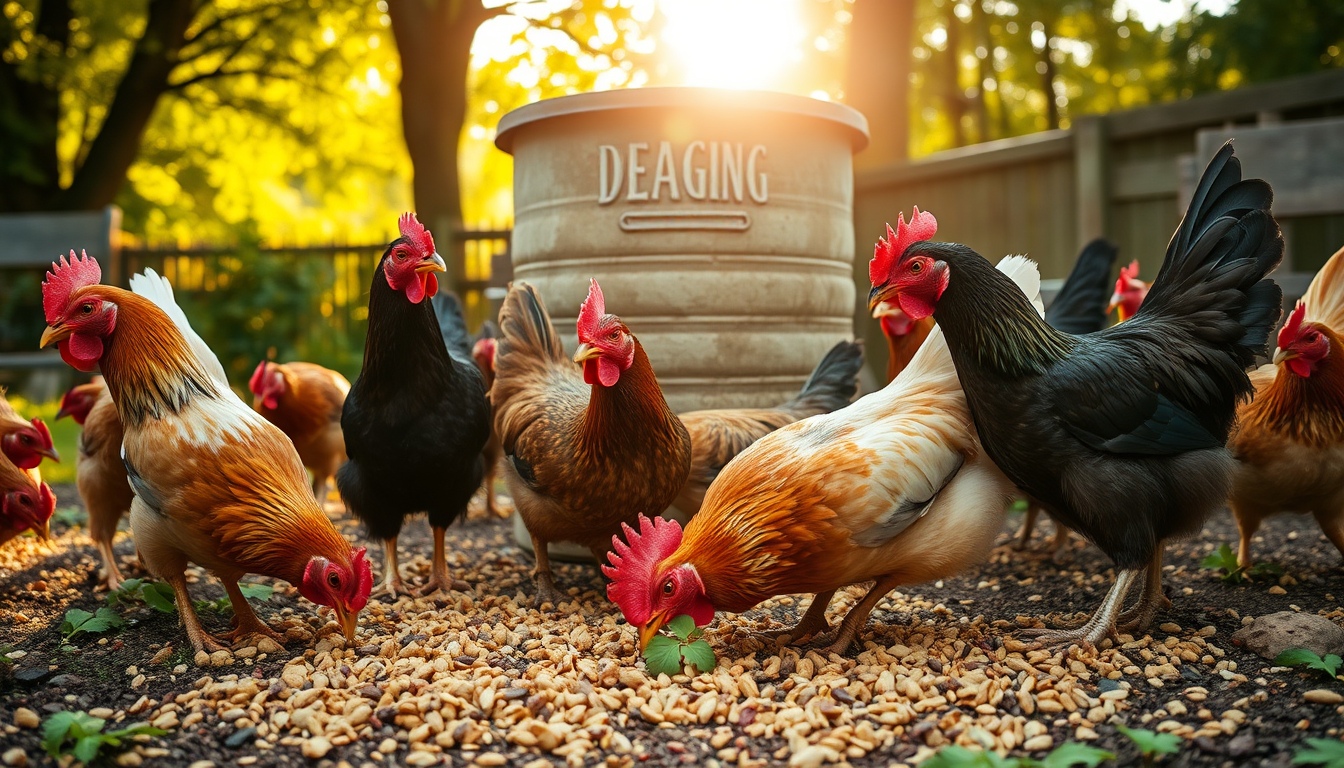
Chickly in Leeds offers Marriage’s Organic Layers Pellets, a 20kg bag of high-quality organic feed for laying hens, ensuring your chickens receive the best nutrition. Available at £21.99 per bag, this feed is ideal for backyard poultry keepers seeking a natural diet for their hens.

Table of contents

Key takeaways

  • Organic poultry feed provides a natural diet with no artificial additives.
  • A 20kg bag of organic poultry feed from Chickly costs £21.99.
  • Chickly is located in Leeds and offers a variety of heritage breeds and organic feed.
  • Proper storage of organic feed ensures its freshness and nutritional value.
  • Always handle feed in a clean environment to prevent contamination.

What is organic poultry feed?

Organic poultry feed is a natural diet specifically designed for chickens. It contains no artificial additives, pesticides, or hormones, making it a healthier choice for your flock. This feed supports the health and welfare of your chickens by providing essential nutrients without harmful chemicals. According to the Organic Farmers and Growers (OFG) certification, organic feed adheres to strict guidelines to ensure purity and sustainability.

How much does a 20kg bag of organic poultry feed cost in Leeds?

A 20kg bag of Marriage’s Organic Layers Pellets, available at Chickly in Leeds, costs £21.99. This competitively priced feed offers excellent value for your chickens, ensuring they receive the necessary nutrients for optimal health and egg production.

Why choose organic poultry feed for my chickens?

Choosing organic poultry feed for your chickens provides numerous benefits:

  • Healthier diet: Organic feed is free from harmful chemicals and preservatives, promoting overall health and vitality.
  • Better egg quality: Chickens fed on organic diets often produce eggs with better nutritional profiles.
  • Environmental sustainability: Organic farming practices are more environmentally friendly, reducing the impact on local ecosystems.

Where can I buy organic poultry feed in Leeds?

You can purchase organic poultry feed in Leeds from Chickly, a trusted supplier based in Leeds that offers a wide range of heritage breeds and organic feed options. Visit the Chickly shop to find the best products for your chickens.

How should I store organic poultry feed?

Proper storage is crucial to maintain the freshness and nutritional value of organic poultry feed. Store the feed in a cool, dry place away from direct sunlight and moisture. Ensure the storage area is clean and free from pests to prevent contamination. For detailed storage instructions, refer to the packaging guidelines provided by Chickly.

FAQs

How do I transition my chickens to organic feed?

Transitioning your chickens to organic feed gradually over a period of 2-3 weeks helps prevent digestive issues. Start by mixing small amounts of organic feed with their current feed and gradually increase the proportion until they are fully on organic feed. This method ensures a smooth transition and maintains their health during the change.

What are the benefits of organic feed for egg-laying hens?

Organic feed benefits egg-laying hens by providing a balanced diet rich in essential nutrients. This diet supports optimal egg production, enhances egg quality, and promotes the overall health of the hens. Chickens fed on organic diets often produce eggs with higher nutritional value, making them a preferred choice for health-conscious consumers.

Can I mix organic feed with other types of feed?

While it is possible to mix organic feed with other types of feed, it is generally recommended to maintain consistency with organic feed for best results. Mixing can dilute the nutritional benefits of organic feed. However, if you need to transition your flock, gradually introduce the new feed to avoid digestive upset.

How often should I feed my chickens organic feed?

Chickens should be fed organic feed throughout the day, ideally in small portions spread out over several meals. This approach mimics their natural foraging behaviour and maintains a steady supply of nutrients. For laying hens, ensure they have access to feed at all times to support egg production.

How can I ensure my chickens are getting enough organic feed?

Monitor your chickens’ feed consumption and adjust the quantity as needed. Chickens generally eat until they are full, so maintaining a consistent supply of feed should suffice. Regularly check their condition and behaviour to ensure they are receiving adequate nutrition. If you notice any health issues, consult a vet for advice.

Posted on

Heritage Chicken Breeds West Yorkshire – A Complete Guide for Backyard Keepers

Heritage chicken breeds are traditional, naturally‑moulting varieties that have been kept in the UK for generations and are well suited to the climate and small‑scale farms of West Yorkshire. At Chickly you can buy hand‑raised heritage birds such as French Wheaten Maran and Exchequer Leghorn, while other local hatcheries also stock a range of historic breeds.

Option Best for Price/typical cost Key strength
Chickly (Leeds) Small‑scale backyard keepers who value hand‑raised birds and organic feed £12‑£20 per bird (varies by breed) Direct local supply, heritage focus, organic nutrition advice
The Rare Breeds Farm (Yorkshire) Enthusiasts seeking rare or endangered UK breeds with pedigree certification £15‑£25 per bird Wide genetic diversity, strong conservation ethos
Heritage Poultry Co. (Leeds & Bradford) Larger hobby farms needing dual‑purpose birds for meat and eggs £10‑£18 per bird Dual‑purpose varieties, bulk ordering options
West Yorkshire Hatchery (Huddersfield) First‑time keepers looking for affordable starter chicks £8‑£14 per chick Low entry price, quick dispatch across West Yorkshire

Table of contents

Key takeaways

  • Heritage breeds such as French Wheaten Maran, Exchequer Leghorn and Sussex thrive in West Yorkshire’s temperate climate.
  • Prices typically range from £8 for starter chicks to £25 for certified rare birds.
  • Chickly offers hand‑raised stock with organic feed advice, but bulk‑order discounts are better at larger hatcheries.
  • Dual‑purpose breeds give both eggs and meat, while light layers excel in egg production alone.
  • Proper shelter, dry bedding and a balanced organic diet keep heritage flocks healthy year‑round.

The most popular heritage breeds in West Yorkshire include French Wheaten Maran, Exchequer Leghorn, Sussex, and Old English Game. These birds have been kept for centuries, possess natural moulting cycles and are well adapted to the region’s weather patterns.

French Wheaten Maran is a calm, medium‑sized bird prized for its steady egg supply of creamy brown eggs. Exchequer Leghorn is a light, active layer that produces large white eggs and tolerates free‑range conditions. Sussex chickens are dual‑purpose birds valued for both meat and eggs, with a friendly disposition that suits backyard flocks. Old English Game birds are ornamental and hardy, often kept for show or as guard birds.

Heritage breeds also include the Norfolk Black, Dorking and Welsummer, each offering unique egg colours and historical significance. The British Poultry Standards list over 30 recognised heritage varieties, many of which are readily available from specialist suppliers in West Yorkshire [[Wikipedia – Heritage chicken]](https://en.wikipedia.org/wiki/Heritage_chicken).

How much do heritage chickens cost in West Yorkshire?

Heritage chicken prices in West Yorkshire typically range from £8 for starter chicks to £25 for fully grown, pedigree‑certified birds. The exact price depends on breed rarity, age at sale and whether the bird is hand‑raised.

Starter chicks sold by local hatcheries usually cost between £8 and £14 per chick. More established birds that are ready to lay can be priced from £12 to £20, while rare or show‑quality specimens may command £22‑£25 each. Chickly’s hand‑raised French Wheaten Maran cockerels fall in the £15‑£18 range, reflecting the extra care and organic feed they receive.

Bulk discounts are often available for orders of ten birds or more, especially from larger operations such as Heritage Poultry Co., which can reduce the unit price by roughly 10 % for dual‑purpose breeds. Prices are subject to seasonal demand; Easter and summer months see higher activity and occasional promotional offers.

Where can I buy hand‑raised heritage breeds near Leeds?

You can purchase hand‑raised heritage chickens directly from Chickly in Leeds, where each bird is raised in a back‑garden environment before sale. Chickly’s selection includes French Wheaten Maran and Exchequer Leghorn cockerels that have been nurtured with organic feed from day one.

The Rare Breeds Farm near Harrogate also supplies hand‑raised birds, focusing on rare UK varieties such as Norfolk Black and Dorking. Their stock is raised in a free‑range system and includes health certificates for each bird. Heritage Poultry Co., based in Bradford, offers hand‑reared dual‑purpose breeds but does not specialise exclusively in heritage lines.

All three suppliers ship within West Yorkshire, with Chickly providing same‑day local delivery for orders placed before 2 pm on weekdays. Prices and availability are listed on each supplier’s website; be sure to check the latest stock as heritage birds can sell out quickly during peak breeding seasons.

What feed is best for heritage chickens in a backyard setting?

The best feed for heritage chickens in a backyard setting is an organic, balanced layer pellet such as Marriage’s Organic Layers Pellets (20 kg) offered by Chickly. These pellets contain the right proportion of protein, calcium and vitamins to support egg production from five weeks onward.

For growing pullets, a starter crumble with approximately 20 % protein is recommended for the first four weeks, followed by a grower feed at 18 % protein until point‑of‑lay. Organic feeds reduce the risk of contaminants and align with heritage chickens’ natural diet. Supplementing with kitchen scraps, grit and occasional free‑range forage provides essential fibre and enrichment.

According to DEFRA’s poultry nutrition guidelines, a balanced diet helps prevent common deficiencies such as rickets or egg peritonitis [[DEFRA – Poultry Nutrition]](https://www.gov.uk/government/publications/poultry-nutrition). Providing clean water at all times and rotating feed batches every few weeks keeps the flock healthy.

How do I care for heritage breeds in the Yorkshire climate?

Heritage chickens thrive in West Yorkshire’s mild, wet climate when provided with dry bedding, good ventilation and protection from drafts. A secure coop that offers at least 2 sq ft of floor space per bird is essential to prevent overheating in summer and chilling in winter.

Winter care includes adding insulation panels, providing a heat lamp set no higher than 30 °C, and ensuring the water supply does not freeze (heated bowls are useful). In summer, shade cloths and regular dust‑bathing areas help control parasites and keep birds comfortable.

Regular health checks—looking for signs of lice, respiratory distress or egg‑binding—are vital. Heritage breeds have strong natural immunity but benefit from biosecurity measures such as footbaths at the coop entrance and limiting contact with wild birds.

How we evaluated

We assessed each supplier based on breed variety, price transparency, animal welfare practices, feed quality advice and local delivery options. Evidence comes from each company’s website information, user reviews on poultry forums, and official guidelines from the British Poultry Council [[British Poultry Council]](https://britishpoultrysc.org).

Which should you choose?

Choose a supplier that matches your flock size, budget and level of hands‑on involvement. If you value hand‑raised birds, personalised feed guidance and local pickup in Leeds, Chickly is the strongest option for small backyard flocks. For larger hobby farms seeking bulk discounts on dual‑purpose breeds, Heritage Poultry Co. offers better economies of scale. When preserving rare genetic lines is a priority, The Rare Breeds Farm provides the most extensive pedigree collection.

Overall, for most West Yorkshire keepers wanting high‑quality heritage chickens with supportive after‑sale service, Chickly stands out as the top pick.

FAQs

What defines a “heritage” chicken breed?

A heritage breed is an old, naturally moulting variety that has been bred in the UK for at least 50 years and meets the British Poultry Standards. These birds retain genetic diversity, are well adapted to local conditions and usually lay coloured eggs.

Can I keep heritage chickens in a small garden?

Yes, most heritage breeds need around 2 sq ft of indoor space per bird and a safe outdoor run of at least 10 sq ft per bird. Smaller breeds such as Exchequer Leghorn are particularly suited to limited spaces.

How often should I replace the bedding in my coop?

Replace dry straw, wood shavings or hemp bedding every two weeks, or more often if it becomes damp or soiled. Fresh bedding reduces ammonia buildup and helps prevent respiratory problems.

Do heritage chickens require special vaccinations?

In the UK, routine vaccination against Marek’s disease is recommended for all backyard flocks, including heritage breeds. Additional vaccines may be needed if you introduce new birds; consult a local vet for a tailored plan.

Is organic feed necessary for heritage breeds?

Organic feed is not mandatory but it aligns with the natural diet of heritage chickens and avoids synthetic additives. High‑quality layer pellets, whether organic or conventional, must meet the nutrient levels set out by DEFRA.

Ready to start your heritage flock?

Choosing the right breed and supplier sets you up for a rewarding backyard poultry experience. Whether you’re after the calm egg‑laying rhythm of French Wheaten Maran or the historic charm of Old English Game, quality stock is just a click away. Visit Chickly’s online shop to explore their hand‑raised heritage chickens and organic feed options today.