
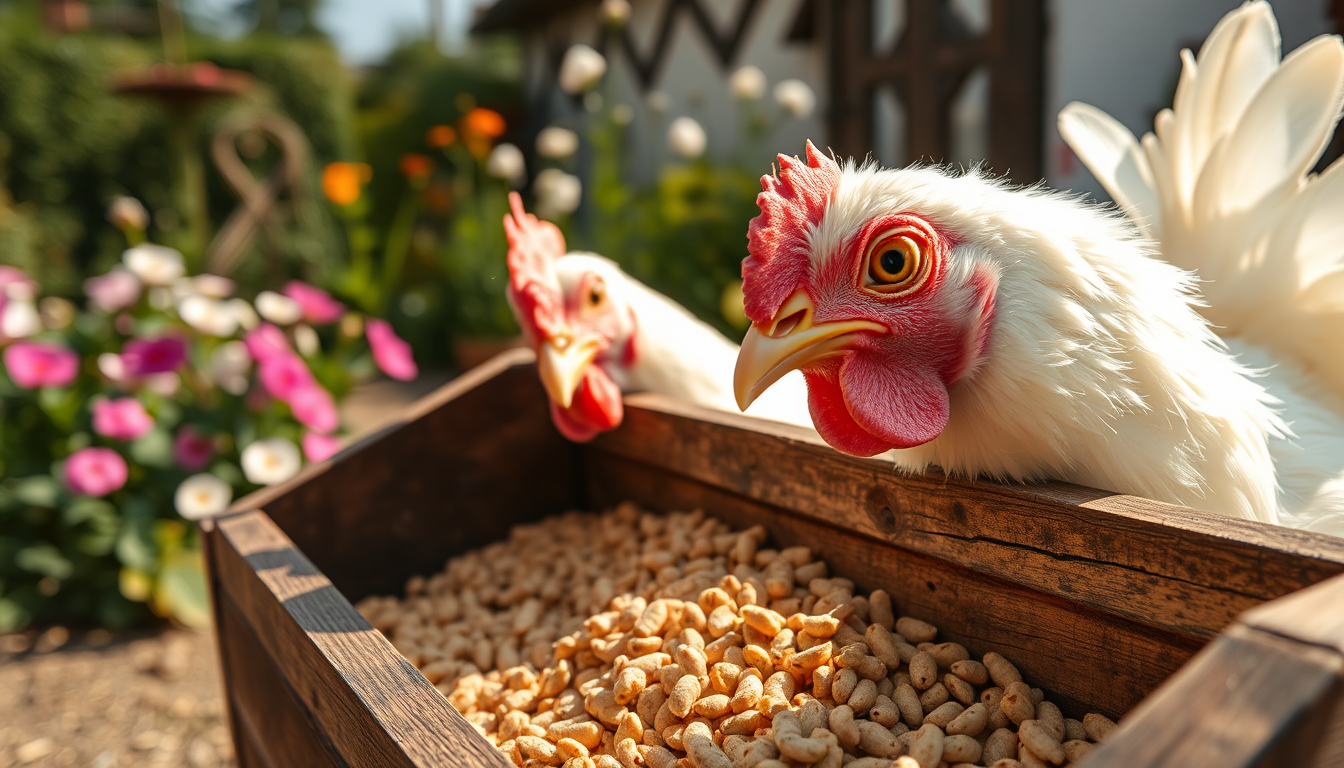
When it comes to feeding your chickens, choosing between layers pellets and mash can be a daunting decision. Both options offer unique advantages, but which is best for your flock? Layers pellets are typically the preferred choice due to their convenience and nutritional balance, making them a top pick for UK chicken owners.
Table of contents
- Introduction
- Key takeaways
- Layers pellets: key points
- Mash: key points
- Comparison table
- How we evaluated
- FAQs
- Which should you choose?
- Call to action
Key takeaways
- Layers pellets and mash both offer essential nutrition for laying hens, but pellets are generally more convenient and have less waste.
- Pellets are less likely to get contaminated with moisture or dirt, ensuring a healthier diet for your chickens.
- The price of pellets and mash can vary depending on brand and availability, but pellets are often slightly more expensive due to their production process.
- Both pellet and mash forms should be supplemented with grit, fresh water, and a balanced diet of vegetables and grains for optimal health.
Layers pellets: key points
Best for: Laying hens that benefit from a convenient and nutritional feed.
Pricing: Varies by brand, typically ranging from £15 to £30 per 20kg bag.
Bottom line: Layers pellets are a convenient and nutritious option, but ensure your hens have access to grit and fresh water for a balanced diet.
Layers pellets are compressed feed made from finely ground grains and other ingredients, forming small, hard pellets. They are a popular choice for laying hens because they provide a balanced diet, are less likely to get contaminated with dirt or moisture, and are easier for chickens to eat without waste. However, pellets can be slightly more expensive than mash due to the production process.
Mash: key points
Best for: Chickens that can easily manage a loose feed and prefer a more traditional diet.
Pricing: Varies by brand, typically ranging from £12 to £28 per 20kg bag.
Bottom line: Mash is a traditional and versatile feed option, but it may not be as convenient and can lead to more waste.
Mash is a loose, crumbly feed made from ground ingredients. It is highly nutritious and can be easily mixed with other feed components to create a balanced diet. However, mash is more prone to spoilage and waste when stored improperly. Additionally, chickens may consume a greater amount of feed to obtain the same nutritional benefits as with pellets, leading to higher costs.
Comparison table
| Option | Best for | Price/typical cost | Key strength |
|---|---|---|---|
| Layers pellets | Laying hens that benefit from a convenient and nutritional feed | £15 to £30 per 20kg bag | Less waste and contamination |
| Mash | Chickens that can easily manage a loose feed and prefer a more traditional diet | £12 to £28 per 20kg bag | Versatile and easy to mix |
How we evaluated
We evaluated layers pellets and mash based on factors such as nutritional balance, convenience, waste reduction, and cost-effectiveness. The information is based on UK poultry feeding guidelines and expert opinions from poultry keepers and veterinarians.
FAQs
How do layers pellets and mash differ in terms of nutritional value?
Both layers pellets and mash provide essential nutrients for laying hens. However, pellets are compressed to ensure a balanced mix of ingredients, while mash is loose and may need to be mixed with additional components to achieve a balanced diet.
Is one type of feed more likely to attract pests than the other?
Mash is more susceptible to attracting pests due to its loose structure, which can make it easier for pests to access. Pellets, on the other hand, are less likely to attract pests as they are compact and less exposed.
How do I know which type of feed is best for my laying hens?
Consider the convenience, waste, and storage conditions of each type. Pellets are typically better for hens that need a balanced diet with minimal waste, while mash is suitable for chickens that can easily manage a loose feed.
What should I look for when choosing a brand of layers pellets or mash?
Look for high-quality brands that use natural ingredients and offer balanced nutrition. Check for certifications such as organic or free-range to ensure the feed meets high standards.
How often should I switch between layers pellets and mash?
It is not necessary to switch between pellets and mash regularly. Choose the type that best suits your flock’s needs and stick with it, adjusting as needed based on your chickens’ preferences and health.
Which should you choose?
If you are looking for a convenient and nutritional feed option with minimal waste, layers pellets are the way to go. However, if you prefer a traditional feed that is easy to mix and customize, mash may be a better choice. Ultimately, the decision comes down to your flock’s needs and your personal preferences.
For UK chicken owners, layers pellets often provide the best balance of convenience and nutritional value, making them the recommended choice. For more information on raising healthy and happy chickens, visit Chickly.