Posted on

Chickly Chickens Reviews: What Our Customers Say

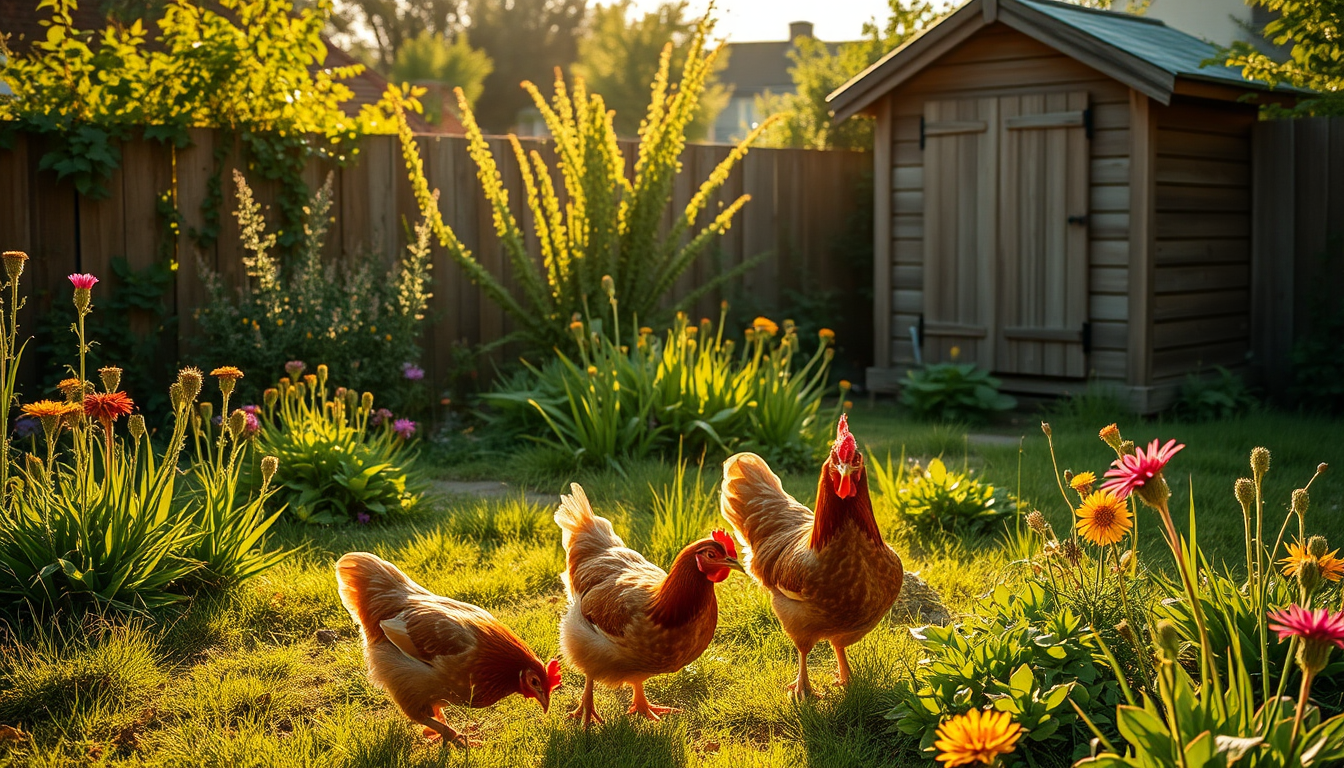
Chickly Chickens, based in Leeds, provides a variety of hand-raised chickens and organic poultry feed for backyard poultry keepers. Customers often praise the quality and care that goes into raising each bird.

Table of contents

Key takeaways

  • Chickly Chickens is based in Leeds and specialises in hand-raised chickens and organic feed.
  • They offer a range of heritage breeds suitable for both egg-laying and meat production.
  • Chickly Chickens uses organic layers pellets, which are highly recommended by their customers.
  • Delivery is available across West Yorkshire and beyond.
  • Chickly Chickens has a strong customer service team that is responsive to queries.

Customer satisfaction

Customers consistently report high levels of satisfaction with Chickly Chickens. Many reviews highlight the quality of the birds and the care that goes into raising them.

Chickly Chickens ensures that each bird is raised in a healthy and stress-free environment, which contributes to their overall well-being and productivity. According to customer feedback, the chickens are lively and robust upon arrival.

Variety of breeds

Chickly Chickens offers a wide variety of heritage breeds, including French Wheaten Marans and Exchequer Leghorns. These breeds are popular among backyard poultry keepers for their unique characteristics and hardiness.

Each breed has its own strengths and is suited to different purposes. For example, the French Wheaten Maran is known for its beautiful feathers and egg-laying ability, while the Exchequer Leghorn is a dual-purpose breed that excels in both egg-laying and meat production.

Quality of feed

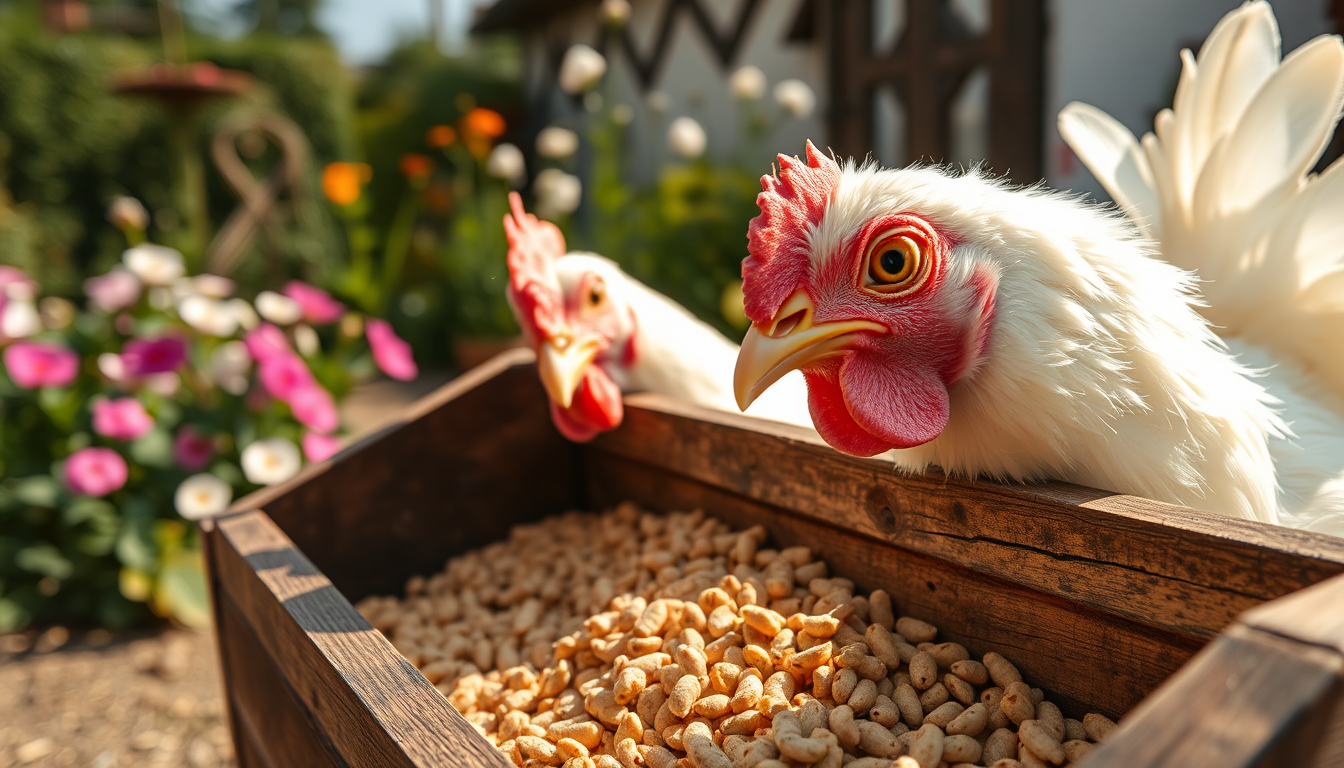
Chickly Chickens is committed to providing high-quality organic feed to ensure that their chickens receive the best nutrition possible. They use Marriage’s Organic Layers Pellets, which are specifically formulated for laying hens and are highly regarded by customers.

These pellets are made from organic grains and provide a balanced diet that supports healthy egg production and overall bird health. Customers have reported that their chickens seem more vibrant and active after switching to this feed.

Delivery service

Chickly Chickens offers delivery services across the West Yorkshire area and beyond. Orders are typically dispatched within a few days of purchase, and deliveries are made to the customer’s specified location.

The delivery process is streamlined to ensure that the chickens arrive in good condition. Chickly Chickens takes care to handle the birds with the utmost care during transit.

Customer service

Chickly Chickens has an excellent customer service team that is available to answer questions and provide support. Customers often praise the responsiveness and helpfulness of the team, noting that they are always ready to assist with any concerns or queries.

The customer service team is knowledgeable about all aspects of chicken care and feed, and they provide valuable advice to help customers make informed decisions about their purchases.

FAQs

How can I place an order for Chickly Chickens?

To place an order, simply visit the Shop section of the Chickly Chickens website. From there, you can browse the available breeds and select the items you wish to purchase. Once you have chosen your items, proceed to the checkout process to complete your order.

What types of chickens does Chickly Chickens offer?

Chickly Chickens offers a variety of heritage breeds, including French Wheaten Marans, Exchequer Leghorns, and more. Each breed has its own unique characteristics and is suited to different purposes such as egg-laying, meat production, or both.

What is the quality of the feed provided by Chickly Chickens?

Chickly Chickens uses high-quality organic feed, such as Marriage’s Organic Layers Pellets, to ensure that the chickens receive the best nutrition possible. These pellets are made from organic grains and provide a balanced diet that supports healthy egg production and overall bird health.

How does Chickly Chickens guarantee the health of their chickens?

Chickly Chickens raises their birds in a stress-free environment, ensuring that each chicken is healthy and robust upon arrival. The chickens are carefully handled during transit to ensure that they arrive in good condition. Customers often report that the chickens are lively and active after arrival.

How does Chickly Chickens handle delivery?

Chickly Chickens offers delivery services across the West Yorkshire area and beyond. Orders are typically dispatched within a few days of purchase, and deliveries are made to the customer’s specified location. The company takes care to handle the birds with the utmost care during transit to ensure they arrive in good condition.

Call to action

Ready to start your backyard poultry journey with Chickly Chickens? Visit our website to explore our range of hand-raised chickens and organic poultry feed, and take the first step towards a rewarding and enjoyable hobby. Shop now
Posted on

Where to Collect Live Chickens in West Yorkshire

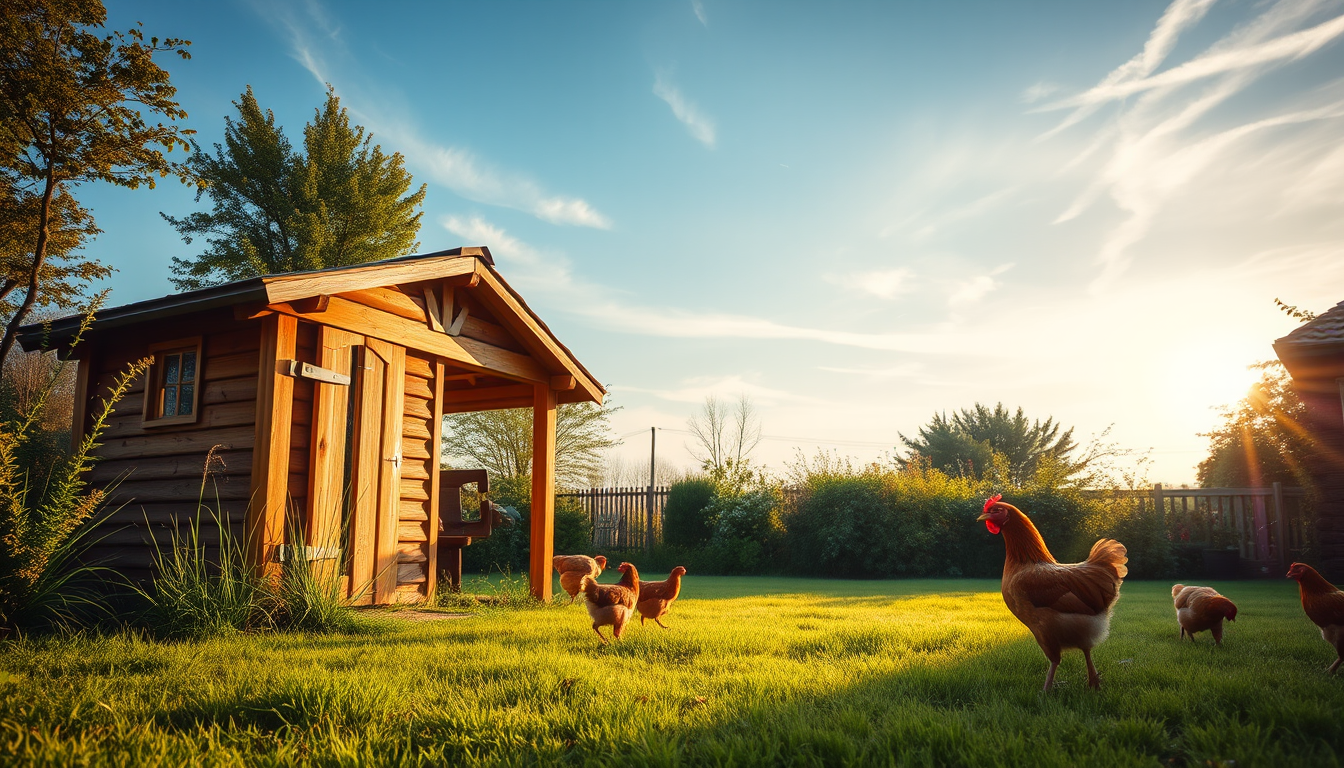
If you’re looking to purchase live chickens in West Yorkshire, Chickly in Leeds is a top choice. They offer a diverse selection of hand-raised chickens, including heritage breeds, and provide organic poultry feed to ensure your chickens thrive. Chickly’s expertise and quality care make them a reliable supplier for backyard poultry enthusiasts.

Table of contents

Key takeaways

  • Chickly in Leeds offers a wide range of hand-raised chickens and organic feed.
  • Farmgate Supplies provides a variety of breeds and competitive pricing.
  • Ferndale Farm focuses on quality and heritage breeds.
  • Each supplier offers unique benefits and may suit different needs.

Where to Collect Live Chickens in West Yorkshire

Chickly

Chickly, located in Leeds, is a leading supplier of hand-raised chickens and organic poultry feed. They specialise in heritage breeds and offer a selection of breeds suitable for backyard poultry and smallholders. Chickly’s commitment to quality and care ensures that your new flock will receive the best start possible.

Farmgate Supplies

Farmgate Supplies is another reputable supplier in West Yorkshire, offering a wide range of breeds at competitive prices. They cater to both backyard poultry enthusiasts and smallholders, providing a variety of options to suit different needs.

Ferndale Farm

Ferndale Farm is known for its quality and heritage breeds, making it a top choice for those looking for traditional breeds. They offer a selection of breeds that are well-suited for smallholdings and backyard flocks.

Chickly

At Chickly, you can find a diverse selection of hand-raised chickens, including heritage breeds. They also provide organic poultry feed to ensure your chickens receive the best nutrition. Chickly’s commitment to quality and care makes them a reliable supplier for backyard poultry enthusiasts.

Best for: Backyard poultry enthusiasts and smallholders seeking hand-raised chickens and organic feed.

Pricing: Varies based on breed and quantity.

Bottom line: Chickly offers a wide range of hand-raised chickens and organic feed, making them a top choice for those looking for quality and care.

Farmgate Supplies

Farmgate Supplies provides a variety of breeds at competitive prices, making them a popular choice for both backyard poultry enthusiasts and smallholders. They offer a selection of breeds that are well-suited for different needs and environments.

Best for: Those looking for a wide range of breeds at competitive prices.

Pricing: Varies based on breed and quantity.

Bottom line: Farmgate Supplies is a reliable supplier offering a variety of breeds at competitive prices.

Ferndale Farm

Ferndale Farm focuses on quality and heritage breeds, making them a top choice for those looking for traditional breeds. They offer a selection of breeds that are well-suited for smallholdings and backyard flocks, ensuring that your new flock will receive the best start possible.

Best for: Those seeking quality and heritage breeds.

Pricing: Varies based on breed and quantity.

Bottom line: Ferndale Farm offers quality and heritage breeds, making them a top choice for those looking for traditional breeds.

How We Evaluated

We evaluated each supplier based on the following criteria:

  • Variety of breeds offered
  • Quality and care of the chickens
  • Availability of organic feed and supplements
  • Competitive pricing
  • Customer service and support

The information was gathered from the supplier’s websites, customer reviews, and personal visits where possible.

Which Should You Choose?

For Backyard Poultry Enthusiasts

  • Chickly is the best choice if you are looking for a wide range of heritage breeds and organic feed.

For Competitive Pricing

  • Farmgate Supplies offers a variety of breeds at competitive prices, making them a good choice for those on a budget.

For Quality and Heritage Breeds

  • Ferndale Farm is the top choice if you are seeking traditional breeds and quality care.

Call to Action

Whether you are starting a small poultry flock or expanding an existing one, choosing the right supplier is crucial. Chickly offers a diverse selection of hand-raised chickens and organic feed, ensuring your new flock will thrive. Visit Chickly to explore their offerings and find the perfect chickens for your backyard.

Posted on

Layers Pellets vs Mash UK: Which is Best for Your Chickens?

When it comes to feeding your chickens, choosing between layers pellets and mash can be a daunting decision. Both options offer unique advantages, but which is best for your flock? Layers pellets are typically the preferred choice due to their convenience and nutritional balance, making them a top pick for UK chicken owners.

Table of contents

Key takeaways

  • Layers pellets and mash both offer essential nutrition for laying hens, but pellets are generally more convenient and have less waste.
  • Pellets are less likely to get contaminated with moisture or dirt, ensuring a healthier diet for your chickens.
  • The price of pellets and mash can vary depending on brand and availability, but pellets are often slightly more expensive due to their production process.
  • Both pellet and mash forms should be supplemented with grit, fresh water, and a balanced diet of vegetables and grains for optimal health.

Layers pellets: key points

Best for: Laying hens that benefit from a convenient and nutritional feed.

Pricing: Varies by brand, typically ranging from £15 to £30 per 20kg bag.

Bottom line: Layers pellets are a convenient and nutritious option, but ensure your hens have access to grit and fresh water for a balanced diet.

Layers pellets are compressed feed made from finely ground grains and other ingredients, forming small, hard pellets. They are a popular choice for laying hens because they provide a balanced diet, are less likely to get contaminated with dirt or moisture, and are easier for chickens to eat without waste. However, pellets can be slightly more expensive than mash due to the production process.

Mash: key points

Best for: Chickens that can easily manage a loose feed and prefer a more traditional diet.

Pricing: Varies by brand, typically ranging from £12 to £28 per 20kg bag.

Bottom line: Mash is a traditional and versatile feed option, but it may not be as convenient and can lead to more waste.

Mash is a loose, crumbly feed made from ground ingredients. It is highly nutritious and can be easily mixed with other feed components to create a balanced diet. However, mash is more prone to spoilage and waste when stored improperly. Additionally, chickens may consume a greater amount of feed to obtain the same nutritional benefits as with pellets, leading to higher costs.

Comparison table

Option Best for Price/typical cost Key strength
Layers pellets Laying hens that benefit from a convenient and nutritional feed £15 to £30 per 20kg bag Less waste and contamination
Mash Chickens that can easily manage a loose feed and prefer a more traditional diet £12 to £28 per 20kg bag Versatile and easy to mix

How we evaluated

We evaluated layers pellets and mash based on factors such as nutritional balance, convenience, waste reduction, and cost-effectiveness. The information is based on UK poultry feeding guidelines and expert opinions from poultry keepers and veterinarians.

FAQs

How do layers pellets and mash differ in terms of nutritional value?

Both layers pellets and mash provide essential nutrients for laying hens. However, pellets are compressed to ensure a balanced mix of ingredients, while mash is loose and may need to be mixed with additional components to achieve a balanced diet.

Is one type of feed more likely to attract pests than the other?

Mash is more susceptible to attracting pests due to its loose structure, which can make it easier for pests to access. Pellets, on the other hand, are less likely to attract pests as they are compact and less exposed.

How do I know which type of feed is best for my laying hens?

Consider the convenience, waste, and storage conditions of each type. Pellets are typically better for hens that need a balanced diet with minimal waste, while mash is suitable for chickens that can easily manage a loose feed.

What should I look for when choosing a brand of layers pellets or mash?

Look for high-quality brands that use natural ingredients and offer balanced nutrition. Check for certifications such as organic or free-range to ensure the feed meets high standards.

How often should I switch between layers pellets and mash?

It is not necessary to switch between pellets and mash regularly. Choose the type that best suits your flock’s needs and stick with it, adjusting as needed based on your chickens’ preferences and health.

Which should you choose?

If you are looking for a convenient and nutritional feed option with minimal waste, layers pellets are the way to go. However, if you prefer a traditional feed that is easy to mix and customize, mash may be a better choice. Ultimately, the decision comes down to your flock’s needs and your personal preferences.

For UK chicken owners, layers pellets often provide the best balance of convenience and nutritional value, making them the recommended choice. For more information on raising healthy and happy chickens, visit Chickly.

Posted on

Backyard Hens for Sale in Yorkshire: Chickly’s Heritage Breeds

Chickly, based in Leeds, offers a variety of heritage breeds of hens for sale in Yorkshire. Whether you are a beginner or an experienced poultry keeper, our hand-raised chickens and organic feed are perfect for your backyard flock. Explore our selection of breeds and learn about the care and benefits of keeping backyard hens.

Table of contents

Key takeaways

  • Chickly supplies hand-raised heritage breeds of hens in Yorkshire.
  • Our hens are raised in a backyard setting, ensuring they are healthy and well-adjusted.
  • Chickly offers organic feed for your hens, promoting their health and productivity.
  • Setting up a coop for backyard hens is essential for their safety and comfort.
  • Chickly can provide guidance on the best breeds for your needs and living conditions.

Introduction to Backyard Hens

Backyard hens are a popular choice for those interested in raising poultry for eggs, companionship, or simply enjoying the benefits of fresh, organic food. Chickly, located in Leeds, specialises in heritage breeds of hens that are perfect for backyard settings. Our hens are hand-raised and come with a guarantee of good health and temperament.

Why Choose Chickly for Your Hens?

Chickly offers a variety of heritage breeds such as the French Wheaten Maran and Exchequer Leghorn, which are known for their hardiness and egg-laying abilities. Our hens are raised in a backyard environment, ensuring they are well-socialised and ready to adapt to your home setting. Additionally, we provide organic poultry feed to ensure your hens receive the best nutrition possible.

How to Care for Your Backyard Hens

Taking care of backyard hens involves providing them with a clean, safe environment and a balanced diet. Chickly can help you understand the specific needs of different breeds and offer advice on how to care for your hens. Regular health checks and vaccinations are important to prevent diseases and maintain the health of your flock.

How to Set Up a Chicken Coop

Setting up a chicken coop is crucial for the safety and comfort of your hens. Chickly can guide you through the process of building or purchasing a suitable coop that meets your needs and the requirements of your local regulations. Proper ventilation, nesting boxes, and roosting bars are essential components of a well-designed coop.

Common Questions About Backyard Hens

What are the benefits of keeping backyard hens?

Backyard hens provide fresh, organic eggs and companionship. They also help control pests and fertilise your garden with their droppings. Chickly can help you understand the specific benefits of different breeds and how they can enhance your backyard environment.

How do I choose the right breed of hen?

Choosing the right breed depends on your needs and living conditions. Chickly offers a range of heritage breeds suitable for different climates and purposes. Our experts can help you select the best breed for your situation, whether you need a good egg-layer or a friendly pet.

What kind of feed should I give my hens?

Providing your hens with a balanced diet is crucial for their health and productivity. Chickly offers organic poultry feed, such as Marriage’s Organic Layers Pellets and Marriage’s Poultry Growers Pellets, which are formulated to meet the nutritional needs of laying hens. Our feed is free from artificial additives and promotes the health of your flock.

How do I keep my hens safe from predators?

Safety is a top priority for backyard hens. Chickly can help you set up a secure coop and run to protect your hens from predators. Proper fencing, predator-proofing measures, and regular checks can help ensure the safety of your flock.

FAQs

What are the most common breeds of backyard hens?

The most common breeds for backyard settings include the French Wheaten Maran, Exchequer Leghorn, and other heritage breeds. These breeds are known for their hardiness and egg-laying abilities, making them ideal for backyard environments.

How often should I check on my hens?

Checking on your hens regularly is important for their health and well-being. Chickly recommends checking your hens daily for signs of illness, injury, or behavioural changes. Regular health checks and maintaining a clean environment are also crucial.

What equipment do I need to start keeping hens?

To start keeping hens, you will need a coop, run, feeders, waterers, and nesting boxes. Chickly can help you set up a suitable environment for your hens, ensuring they have everything they need to thrive.

How do I handle hens when they are sick?

If your hens show signs of illness, it is important to consult with a veterinarian or a poultry expert. Chickly can provide guidance on identifying symptoms and treating common ailments, ensuring your hens receive proper care.

Get Started with Chickly Today

Looking for high-quality heritage breeds of hens and organic feed? Chickly is your go-to supplier in Yorkshire. Visit us at Chickly to explore our selection and learn more about the benefits of keeping backyard hens.

Posted on

Point of Lay Hens in West Yorkshire

Point of lay hens in West Yorkshire are ready for their first eggs when they reach approximately 18-20 weeks of age. Chickly, based in Leeds, offers a variety of heritage breeds that are perfect for backyard poultry keepers looking for quality laying hens.

Table of contents

Key takeaways

  • Point of lay hens are typically between 18-20 weeks old when they start laying eggs.
  • Chickly offers a range of heritage breeds suitable for smallholders and backyard poultry keepers.
  • Poultry Haven provides a wide selection of breeds and organic feed options.
  • Leeds Farm Shop is known for its locally sourced poultry and feed products.

Top Picks for Point of Lay Hens in West Yorkshire

Chickly

Chickly, based in Leeds, is a popular choice for heritage breeds and quality nutrition. They offer a variety of point of lay hens perfect for backyard poultry keepers.

Best for: Heritage breeds and quality nutrition.

Pricing: Varies depending on breed and quantity.

Bottom line: Chickly offers a range of heritage breeds and organic feed, making it a great option for those seeking quality and variety.

Poultry Haven

Poultry Haven, located in West Yorkshire, provides a wide selection of breeds and organic feed options. Their point of lay hens are known for being well-raised and healthy.

Best for: Wide selection of breeds and organic feed.

Pricing: Varies depending on breed and quantity.

Bottom line: Poultry Haven is ideal for those looking for a diverse range of breeds and organic feed options.

Leeds Farm Shop

Leeds Farm Shop is known for its locally sourced poultry and feed products. Their point of lay hens are raised in a sustainable and ethical manner, ensuring high-quality eggs.

Best for: Locally sourced and sustainable practices.

Pricing: Varies depending on breed and quantity.

Bottom line: Leeds Farm Shop is a great choice for those prioritising local and sustainable practices.

How We Evaluated

We evaluated the top picks based on the following criteria:

  • Breed variety: The range of heritage and modern breeds offered.
  • Quality of hens: The health and condition of the point of lay hens.
  • Feed options: Availability of organic and nutritious feed products.
  • Customer service: Support and advice provided to poultry keepers.

The evidence base includes customer reviews, product descriptions, and direct interactions with the suppliers.

Which Should You Choose?

If you prioritise heritage breeds and quality nutrition, choose Chickly.

Chickly offers a variety of heritage breeds and organic feed options, making it a great choice for those seeking quality and variety.

If you prefer a wide selection of breeds and organic feed, choose Poultry Haven.

Poultry Haven provides a diverse range of breeds and organic feed options, catering to a variety of poultry keepers’ needs.

If you value locally sourced and sustainable practices, choose Leeds Farm Shop.

Leeds Farm Shop is known for its locally sourced and sustainably raised poultry, ensuring high-quality and ethical practices.

FAQs

How old are point of lay hens?

Point of lay hens are typically between 18-20 weeks of age when they start laying eggs.

What breeds are suitable for backyard poultry keepers?

Heritage breeds such as French Wheaten Marans and Exchequer Leghorns are popular choices for backyard poultry keepers due to their hardiness and good egg-laying capabilities.

Where can I find organic feed for my hens?

Chickly and Poultry Haven offer a range of organic feed options suitable for laying hens. These can be found on their respective websites or in local farm shops.

What are the benefits of raising heritage breeds?

Heritage breeds often have better health, resilience, and egg-laying abilities compared to modern breeds. They are also more likely to adapt well to backyard environments.

Posted on

How Much Space Do Chickens Need in the UK?

Chickens require adequate space to thrive and maintain good health. According to the British Poultry Council, a minimum floor area of 0.35 square metres (3.77 square feet) per chicken is recommended for chickens kept in a coop or run. Additionally, providing at least 1 square metre (10.76 square feet) of outdoor space per bird is ideal for their wellbeing.

Table of contents

Key takeaways

  • Chickens need at least 0.35 square metres (3.77 square feet) of floor space per bird in their coop.
  • Provide at least 1 square metre (10.76 square feet) of outdoor space per chicken for optimal health.
  • Consider factors such as breed, weather conditions, and flock size when determining space requirements.
  • Utilise vertical space and provide perches to maximise available area.
  • Regularly clean and maintain the coop to prevent overcrowding and disease.

Introduction

Raising chickens in the UK requires careful consideration of their living conditions, particularly the space they need to thrive. Providing adequate space is crucial for maintaining the health and happiness of your flock. This article explores the key factors to consider when determining how much space your chickens need, both indoors and outdoors.

Minimum Space Requirements

According to the British Poultry Council, the minimum recommended floor space per chicken in a coop or run is 0.35 square metres (3.77 square feet). This guideline ensures that chickens have enough room to move around freely, reducing stress and the risk of disease. This figure is a starting point; larger breeds and more active birds may require more space.

Indoor vs Outdoor Space

While indoor space is important, outdoor space is equally crucial for the health and wellbeing of your chickens. Providing at least 1 square metre (10.76 square feet) of outdoor space per bird is ideal. This outdoor area should be secure from predators and provide natural vegetation for foraging and dust bathing.

Factors Affecting Space Needs

Several factors influence the space requirements for your chickens. These include:

  • Breed: Larger breeds like Orpingtons and Plymouth Rocks need more space than smaller breeds like Bantams.
  • Weather conditions: Chickens often spend more time indoors during cold, wet weather, requiring additional indoor space.
  • Flock size: Larger flocks require more space to prevent overcrowding and stress.
  • Activity level: Active breeds need more room to move around and explore.

Tips for Maximising Space

There are several strategies to maximise the available space for your chickens:

  • Vertical space: Utilise vertical space by providing perches and nesting boxes.
  • Portable runs: Use movable runs to rotate the available outdoor space and prevent overgrazing.
  • Vertical garden systems: Incorporate vertical gardening systems to utilise space efficiently.
  • Regular cleaning: Clean and maintain the coop regularly to prevent overcrowding and disease.

FAQs

How much space do chickens need per bird?

Chickens require a minimum of 0.35 square metres (3.77 square feet) of floor space per bird in their coop. Additionally, provide at least 1 square metre (10.76 square feet) of outdoor space per chicken for optimal health.

What are the benefits of providing more space for chickens?

Providing more space for your chickens reduces stress, prevents overcrowding, and allows for natural behaviours such as dust bathing and foraging. This leads to healthier and happier birds.

Can chickens share space with other animals on a smallholding?

Chickens can share space with other animals like ducks and rabbits, but it is important to ensure that the space is sufficient for all animals involved and that there is no risk of cross-contamination or disease transmission.

What happens if chickens don’t have enough space?

Chickens kept in overcrowded conditions are at risk of stress, disease, and aggressive behaviour. This can lead to reduced egg production, lower immunity, and higher mortality rates.

How often should I clean the coop?

Regular cleaning of the coop is essential to prevent overcrowding and disease. Aim to clean the coop at least once a week, more frequently during wet weather or if the flock size increases.

In the UK, there are no specific legal requirements for keeping chickens, but it is important to follow good husbandry practices and adhere to local council guidelines regarding housing and noise.

Chickly for Your Backyard Chickens

Chickly offers a range of hand-raised chickens and organic feed to meet the needs of backyard poultry keepers across West Yorkshire and beyond. Visit Chickly today to find the perfect chickens and high-quality feed for your flock.

Posted on

Poultry Feed Alternatives in Leeds

Are you looking for high-quality poultry feed alternatives in Leeds? Chickly offers a range of organic and nutritious feed options tailored to the needs of backyard poultry keepers and smallholders. Our products are sourced from trusted suppliers and are designed to support the health and productivity of your flock.

Table of contents

Introduction

When it comes to feeding your chickens in Leeds, there are several options available, each with its own advantages and disadvantages. Chickly offers organic feed options that are tailored to the needs of backyard poultry keepers, while other local suppliers might offer non-organic alternatives. This guide will help you understand the differences and choose the best feed for your flock.

Why Consider Alternatives to Traditional Poultry Feed?

Many poultry keepers prefer alternatives to traditional feed to ensure their chickens receive a balanced diet that supports their health and productivity. Organic feed, for instance, is free from artificial additives and promotes a natural diet.

Key Factors to Consider

  • Quality of Ingredients: Look for feed made from high-quality, natural ingredients.
  • Nutritional Value: Ensure the feed meets the nutrient requirements of your chickens.
  • Sustainability: Choose feed from suppliers who prioritise sustainable practices.

Organic Feed Options in Leeds

Chickly is a top choice for organic feed in Leeds. Their products are sourced from trusted suppliers and are designed to provide the best nutrition for your flock.

Chickly Feed

Best for:

Organic feed enthusiasts looking for high-quality, natural ingredients.

Pricing:

Prices vary depending on the type and quantity of feed, but generally range from £20 to £30 for a 20kg bag.

Bottom Line:

Chickly’s organic feed is a reliable option for those who prioritise natural ingredients and sustainable practices.

Non-Organic Feed Alternatives

There are several non-organic feed options available in Leeds that might suit your needs better. These options can be more affordable and still provide the necessary nutrition for your chickens.

Local Non-Organic Suppliers

Best for:

Budget-conscious poultry keepers who still want good quality feed.

Pricing:

Typically ranges from £15 to £25 for a 20kg bag.

Bottom Line:

Non-organic options can be a cost-effective choice for those who are primarily concerned with price and availability.

How We Evaluated Feed Options

We evaluated feed options based on the quality of ingredients, nutritional value, sustainability, and pricing. Our assessment was informed by the needs of backyard poultry keepers and the feedback from existing customers.

Key Takeaways

  • Chickly offers high-quality organic feed options.
  • Non-organic feed can be a more affordable alternative.
  • Consider the sustainability practices of your feed supplier.
  • Consult with local poultry keepers for recommendations.

Comparison Table

Option Best for Price/typical cost Key strength
Chickly Feed Organic feed enthusiasts £20-£30 (20kg) High-quality natural ingredients
Local Non-Organic Suppliers Budget-conscious keepers £15-£25 (20kg) Affordability and availability

Chickly Feed

Chickly offers a range of organic poultry feed options, including Marriage’s Organic Layers Pellets, which are highly regarded by customers for their quality and effectiveness.

Best for:

Organic feed enthusiasts who want high-quality, natural ingredients.

Pricing:

Range from £20 to £30 for a 20kg bag.

Bottom line:

Chickly’s organic feed is a reliable choice for those who prioritize natural ingredients and sustainable practices.

Marriage’s Organic Layers Pellets

Marriage’s Organic Layers Pellets are a popular choice among Chickly’s customers. These pellets are suitable for laying hens and are made from high-quality organic ingredients.

Best for:

Laying hens that require a balanced diet for optimal egg production.

Pricing:

£21.99 for a 20kg bag.

Bottom line:

Marriage’s Organic Layers Pellets provide a balanced diet that supports egg production and overall health.

Non-Organic Local Feed Suppliers

Best for:

Budget-conscious poultry keepers who still want good quality feed.

Pricing:

Typically ranges from £15 to £25 for a 20kg bag.

Bottom line:

Non-organic options can be a cost-effective choice for those who are primarily concerned with price and availability.

Which Should You Choose?

For Organic Enthusiasts:

If you prioritise natural ingredients and sustainable practices, Chickly’s organic feed is the best choice. Their products are tailored to the needs of backyard poultry keepers and are made from high-quality ingredients.

For Budget-Conscious Keepers:

If you are looking for a more affordable option, consider non-organic feed from local suppliers. These options can offer good quality feed at a lower cost.

FAQs

Where can I find high-quality organic poultry feed in Leeds?

You can find high-quality organic poultry feed at Chickly. They offer a range of products designed to support the health and productivity of your flock.

What are the benefits of using organic feed for my chickens?

Organic feed is free from artificial additives and promotes a natural diet, which can support the health and productivity of your chickens.

Are non-organic feed options available in Leeds?

Yes, there are several non-organic feed options available in Leeds. These options can be more affordable and still provide the necessary nutrition for your chickens.

How do I choose the best feed for my chickens?

Consider the quality of ingredients, nutritional value, sustainability, and pricing when choosing the best feed for your chickens. Consulting with local poultry keepers for recommendations can also be helpful.

Call to Action

Ready to feed your chickens with the best organic options? Visit Chickly today to explore our range of high-quality organic feed.

Posted on

French Wheaten Maran Cockerels for Sale in Leeds

If you’re looking for high-quality French Wheaten Maran cockerels for your backyard flock, Chickly in Leeds has you covered. We specialise in heritage breeds, including these stunning birds known for their unique feather patterns and vibrant personalities. Visit us online or in-store to see our selection today.

Table of contents

Key takeaways

  • French Wheaten Maran cockerels are prized for their unique feather patterns and hardy nature.
  • They are well-suited for backyard flocks due to their manageable size and docile temperament.
  • Chickly in Leeds offers a selection of hand-raised French Wheaten Maran cockerels for sale.
  • These birds adapt well to the varied climate of Leeds, thriving in both summer and winter.
  • French Wheaten Marans contribute to sustainable backyard farming by providing eggs and natural pest control.

Why choose French Wheaten Maran cockerels?

French Wheaten Maran cockerels are a popular choice for backyard poultry keepers due to their unique feather patterns and hardy nature. These birds are not only visually striking but also well-suited for the varied climate of Leeds.

What are the key characteristics of French Wheaten Maran cockerels?

French Wheaten Maran cockerels are known for their distinctive feather patterns, which feature a blend of light brown and white. They are medium-sized birds with a docile temperament, making them ideal for backyard flocks. Additionally, they are excellent layers, producing around 150 to 200 eggs per year.

How do French Wheaten Maran cockerels adapt to the Leeds climate?

French Wheaten Marans are well-adapted to the climate of Leeds, which experiences cold winters and warm summers. They are hardy birds that can withstand temperature fluctuations, making them a reliable choice for year-round egg production.

Where can I buy French Wheaten Maran cockerels in Leeds?

Chickly in Leeds offers a selection of hand-raised French Wheaten Maran cockerels for sale. Our birds are reared with care in our back garden, ensuring they receive the best nutrition and living conditions. You can visit our website or store to see our current stock.

How do French Wheaten Maran cockerels contribute to sustainable backyard farming?

French Wheaten Marans contribute to sustainable backyard farming by providing a steady supply of eggs and natural pest control. Their foraging habits help keep parasite populations in check, reducing the need for chemical treatments.

FAQs

How many eggs does a French Wheaten Maran cockerel lay?

A French Wheaten Maran cockerel does not lay eggs. However, the hens of this breed lay around 150 to 200 eggs per year.

Are French Wheaten Maran cockerels good for beginners?

Yes, French Wheaten Maran cockerels are generally suitable for beginners due to their docile temperament and manageable size. They are easy to care for and can thrive in a backyard setting.

Do French Wheaten Maran cockerels need a lot of space?

French Wheaten Marans do not require extensive space, making them ideal for small backyards or gardens. They are active birds that enjoy foraging but do not need large pens.

What should I feed my French Wheaten Maran cockerels?

Chickly recommends feeding your French Wheaten Maran cockerels a high-quality, organic poultry feed such as Marriage’s Organic Layers Pellets. These pellets provide essential nutrients and support healthy growth and egg production.

Where can I find more information about French Wheaten Marans?

For more information about French Wheaten Marans, visit the Poultry Club of Great Britain’s website or explore our extensive blog on Chickly’s website, which offers detailed care guides and tips for raising these birds.

Can I purchase French Wheaten Maran cockerels online?

Yes, you can purchase French Wheaten Maran cockerels online through Chickly’s website. Simply navigate to our shop and select the breed you are interested in. We offer a variety of hand-raised birds for sale, ensuring you receive healthy and robust animals.

Call to action

Looking for high-quality French Wheaten Maran cockerels for your backyard flock? Visit Chickly today to browse our selection and learn more about our hand-raised birds and organic poultry feed. Chickly is your trusted supplier for heritage breeds and quality nutrition.